

Cannabis Education & Science
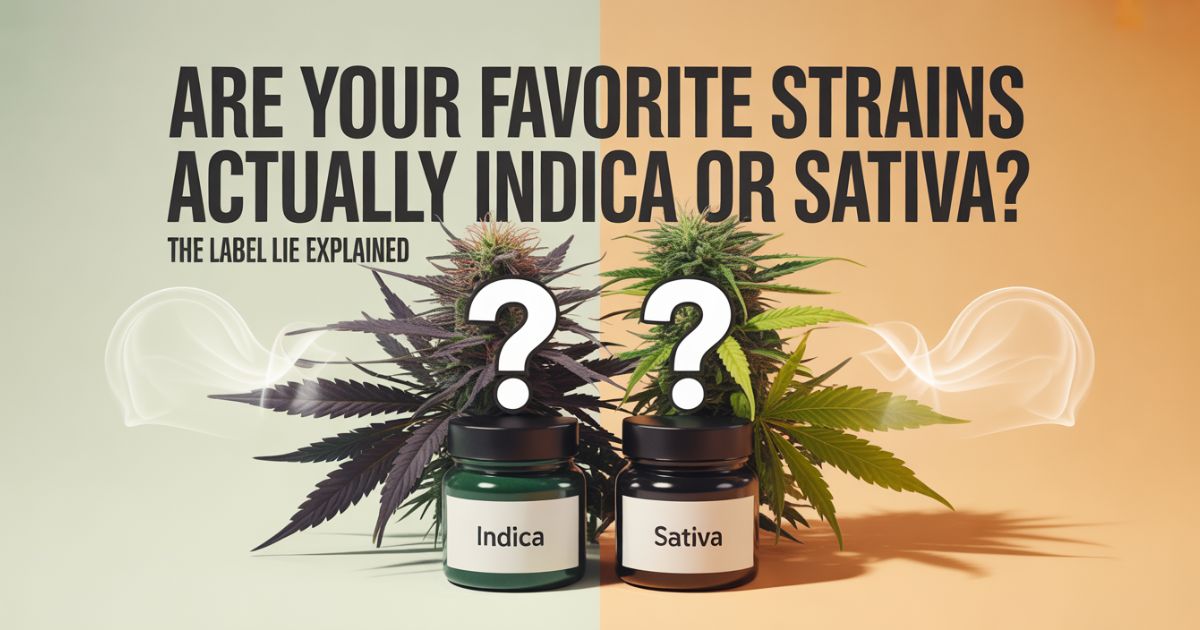
Are Your Favorite Strains Actually Indica or Sativa? The Label Lie Explained
25
Oct
Oct
We’ve all done it — browsed a dispensary menu and picked an indica for sleep or a sativa for energy. But what if that entire classification system is… kind of a lie?
For years, cannabis culture has simplified weed into two neat boxes: indica (the “chill” one) and sativa (the “uplifting” one). The problem? Modern research and genetic testing show it’s rarely that simple.
In truth, your high depends far more on terpenes and cannabinoid profiles than the label on the jar. Today, we’re diving into the Indica vs Sativa Myth, exploring why those terms have lost scientific meaning — and how you can actually understand your weed better.
The Origins of the Indica vs Sativa Classification
Before breaking down the myth, let’s rewind to where it all began.
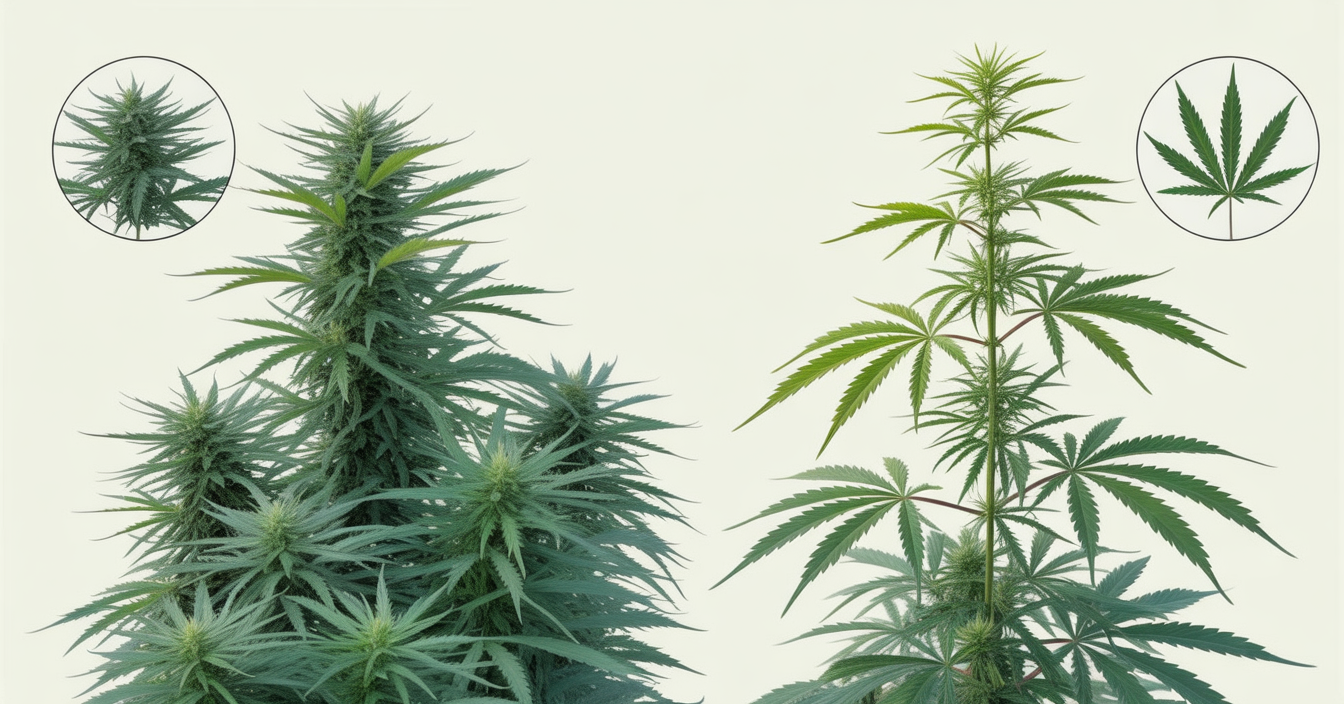
The indica vs sativa system dates back to the 18th century when botanists used plant morphology — basically, how a plant looked — to categorize species.
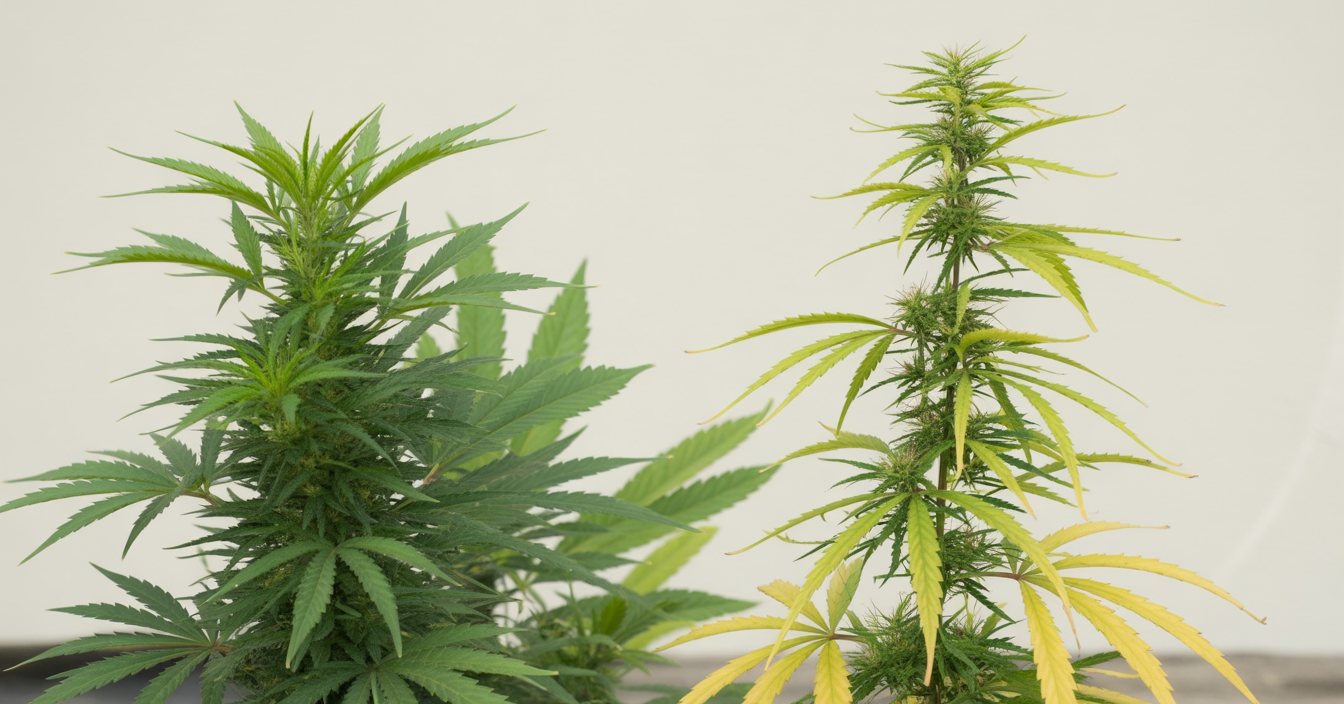
- Cannabis sativa: Tall, narrow leaves, grown in warmer climates.
- Cannabis indica: Short, bushier, with broader leaves, native to cooler regions.
These early classifications were botanical, not chemical. They described the shape of the plant, not the effects it had on you.
Fast forward a few centuries, and those physical traits started being linked to psychological effects — calm vs energetic, couch-lock vs creative buzz — even though no one had solid evidence for that correlation.
And that’s how the Indica vs Sativa Myth was born.
Why the Indica vs Sativa Myth Persists
1. Simplicity Sells
People like simple stories. “Indica = relax. Sativa = energize.” It’s clean, memorable, and easy for marketing.
But real cannabis chemistry is messy. Two “sativas” from different regions can feel entirely different. Similarly, one “indica” might leave you talkative, while another puts you straight to bed.
2. Legacy Marketing
Before legalization, dealers and growers needed easy ways to communicate effects. “Sativa” became shorthand for “head high,” while “indica” meant “body high.”
Even though modern dispensaries know better, these labels are deeply rooted in the industry.
3. Consumer Expectation
Customers still ask for “indica” or “sativa.” If a dispensary tried replacing those with terpene or cannabinoid charts overnight, people might get confused.
So, the myth continues — even in 2025.
What Actually Determines Cannabis Effects
Here’s the truth: your experience isn’t defined by plant shape or name — it’s defined by chemistry.
The Role of Terpenes
Terpenes are aromatic compounds found in cannabis (and many other plants). They influence both the smell and the feel of your high.
Some examples:
- Myrcene — promotes relaxation and sedation (often found in “indicas”)
- Limonene — boosts mood and focus (common in citrusy “sativas”)
- Pinene — helps with alertness and counteracts anxiety
- Linalool — calming and soothing, often linked to lavender
So instead of thinking “indica = sleepy,” think “myrcene-heavy strain = potentially calming.”
This is where understanding terpenes explained becomes key — they’re the true drivers of your experience.
🔬 Cannabinoid Ratios
The THC and CBD balance also defines your high.
- High THC = stronger psychoactive effect.
- Balanced THC:CBD = smoother, more functional experience.
- High CBD = minimal “high,” more physical relief.
Different combinations can completely change how a strain feels — even if both are labeled “sativa.”
The Science Has Spoken: Strain Labels Don’t Match Reality
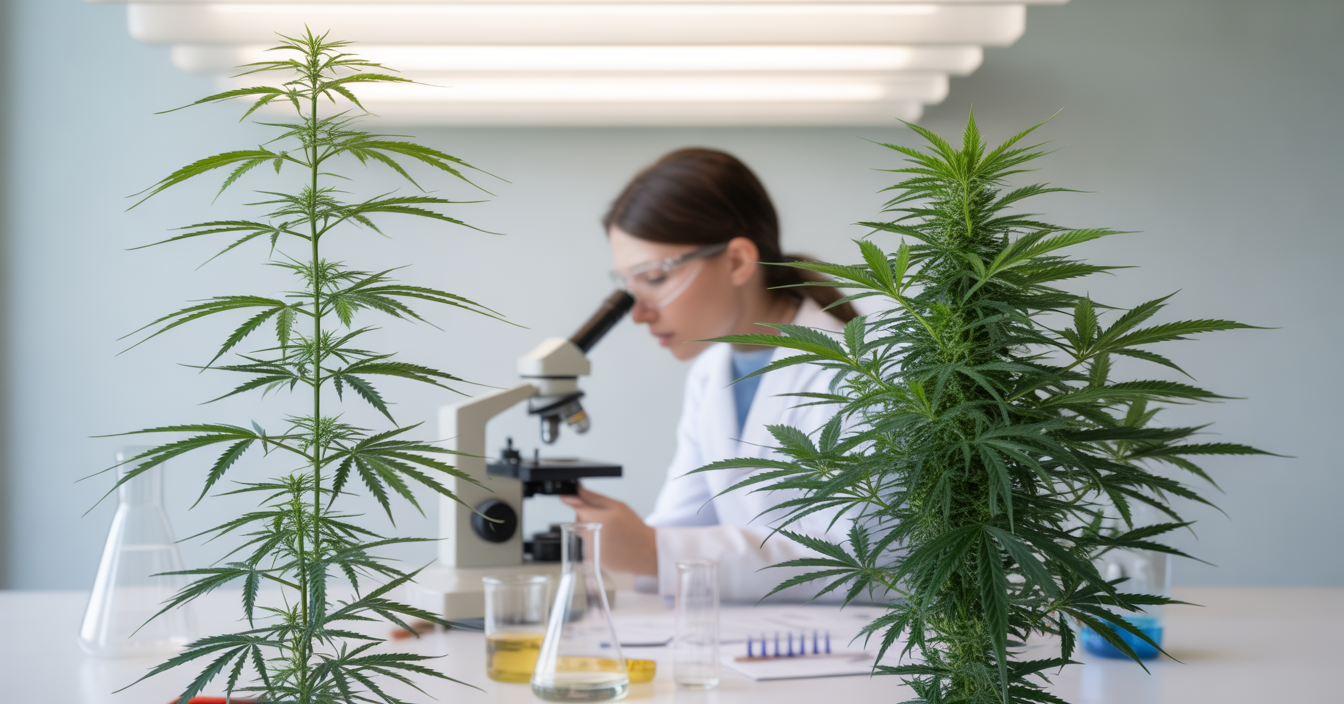
A study from the University of British Columbia analyzed over 300 cannabis strains and found that the “indica” and “sativa” labels had little correlation with their chemical profiles.
Two strains labeled “sativa” could be genetically closer to each other than to other “sativas” — and some “indicas” were actually hybrids or mislabeled entirely.
Even Health Canada acknowledges that strain names are not standardized. In short, the science confirms what many budtenders already suspected: the Indica vs Sativa Myth is outdated.
Why Understanding Terpenes Matters More
When you buy from trusted dispensaries like KushBuddy.co, you’ll often see detailed descriptions including aroma, effects, and terpene profiles. That’s not marketing fluff — it’s your roadmap to the kind of experience you’ll have.
Example: Same Label, Different Reality
| Strain | Label | Dominant Terpene | Reported Effect |
|---|---|---|---|
| Blue Dream | Sativa | Myrcene | Balanced, calm euphoria |
| Northern Lights | Indica | Limonene | Uplifting, creative boost |
See the twist? Despite their labels, the chemistry tells a different story.
That’s why terpene education is the next evolution in cannabis literacy — and it’s where the real personalization begins.
The Hybrid Confusion
Most strains sold today are hybrids, crossbreeds of multiple parent strains.
This means even the most famous “indica” or “sativa” names are no longer pure. They’re blends — some leaning relaxing, others energizing — but never fully one or the other.
“Hybrid” is basically the industry’s way of saying, “We don’t really know what box to put it in anymore.”
That’s not necessarily bad — hybrids allow breeders to fine-tune effects — but it’s proof that the Indica vs Sativa Myth is scientifically obsolete.
Terpenes Explained: Understanding the “Why” Behind Your High
Let’s break down a few more terpenes so you can shop smarter:
- Caryophyllene: Spicy, peppery, known for anti-inflammatory effects.
- Humulene: Earthy aroma, believed to suppress appetite.
- Terpinolene: Floral and fruity, known for mild euphoria.
- Ocimene: Sweet scent, uplifting mood boost.
If you’ve ever noticed that two strains labeled the same way feel totally different, it’s probably because one was high in terpinolene while the other had more myrcene.
The takeaway? Labels don’t guide your experience — chemistry does.
What Budtenders Wish You Knew
I asked a few budtenders from Toronto and Vancouver what they thought about the Indica vs Sativa Myth.
“It’s one of the hardest parts of the job,” said one. “Customers come in asking for an indica to sleep, but the strain they pick might actually energize them.”
Another added:
“I wish people would start asking, ‘What terpenes are in this?’ instead of just saying, ‘Give me your strongest sativa.’”
At progressive dispensaries like KushBuddy.co, the staff educate customers on how terpene and cannabinoid profiles affect the body differently — moving beyond the outdated binary labels.
How to Shop Smart: Reading Beyond Labels
Here’s a practical guide for navigating Canada’s dispensary menus more effectively:
1. Look for Terpene Charts
Reputable brands list terpene percentages. Choose based on aroma and desired effect, not label.
2. Compare THC and CBD Levels
If you want focus, go for moderate THC with uplifting terpenes like limonene. For relaxation, try strains rich in myrcene with balanced THC:CBD ratios.
3. Check for Verified Lab Results
Sites like Health Canada provide resources on lab-tested cannabis safety standards.
4. Experiment and Journal
Track how different terpene combinations affect you. Your body chemistry is unique — no two people react the same way.
Strain Education Canada: The New Cannabis Literacy
Canadian consumers are becoming more informed, and education-focused brands are leading the shift.
Organizations like the Canadian Centre on Substance Use and Addiction (CCSA) and Health Canada now emphasize cannabinoid ratios and terpene profiles over strain names.
Dispensaries like KushBuddy have embraced this evolution — offering detailed descriptions that help customers make informed, safe, and enjoyable choices.
The Future of Cannabis Classification
The Indica vs Sativa Myth is fading, slowly but surely. In its place, a more scientific, data-driven approach is emerging.
Expect to see:
- Terpene-forward menus replacing broad labels.
- Cannabinoid testing transparency as standard practice.
- Personalized strain recommendations based on chemistry, not marketing.
Think of it like coffee — once you learn your flavor profile (bold, fruity, nutty), you stop asking for “strong coffee” and start ordering what actually fits your taste.
That’s where cannabis is heading.
Key Takeaways
- The Indica vs Sativa Myth oversimplifies complex plant chemistry.
- Effects depend on terpenes and cannabinoid profiles, not strain names.
- Most modern strains are hybrids with mixed genetics.
- Learn terpene profiles to predict how a strain will make you feel.
- KushBuddy.co provides lab-tested data and educational strain insights for smarter shopping.
Conclusion
It’s time to let go of the old categories. “Indica” and “Sativa” might look neat on a shelf, but they don’t tell the full story.
If you really want to understand cannabis — how it feels, how it helps, and how it fits your lifestyle — start reading beyond the label. Learn your terpenes. Explore cannabinoid ratios. Track your experiences.
Because once you do, you’ll see that the Indica vs Sativa Myth isn’t just outdated — it’s holding you back from discovering what truly works for you.
👉 Explore lab-tested strains with verified terpene profiles at KushBuddy.co — Canada’s trusted source for cannabis education and premium delivery.